
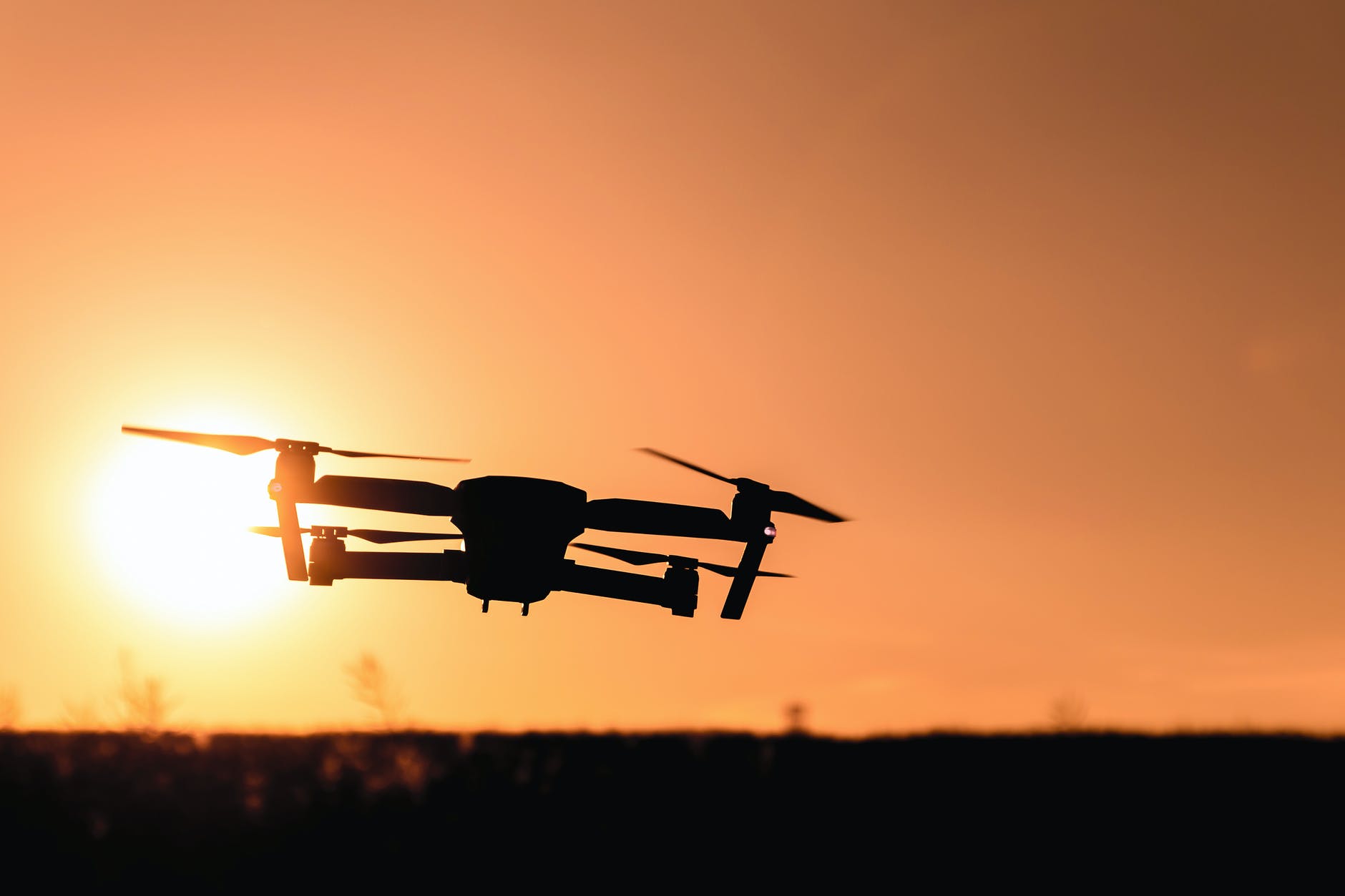
“Drones are the future of technology,” they said. We’ve heard it all before: new tech is going to change the world, and drones are no exception. But what is the future for drone technology? And how can we tell if it’s good or bad? Well, for starters, let’s take a look at some of the ways drones have already changed our lives:
Big Business for Drones
Drones are the future of the shipping industry.
The use of drones in the delivery of packages, medical supplies and even food has been gaining popularity with business owners across North America. In fact, it’s become so popular that Amazon has begun testing its own drone delivery system in Cambridge, England—and they already have plans to expand this service to other countries across Europe next year!
With multiple companies entering into this market space each month and new innovations every day (like a drone-delivered pizza), there’s no doubt that these devices will continue to grow in popularity as demand increases.
Package Delivery
Amazon is working on a new service that will deliver packages to customers within 30 minutes of receiving the order. This is a big deal because the company has been testing drones for years, and this could be a sign that they are ready for commercial use. The drones are designed to fly at an altitude of 200 feet or less, and they can carry up to five pounds of merchandise.
If you’re reading this article, then chances are you’ve already ordered something from Amazon. And if so, it’s not hard to imagine how this could benefit your life as an online shopper: You’d be able to get whatever item(s) you want without having to wait in line at Walmart (or even leave your house for that matter).
Disaster Relief
A number of drones are being developed to be used in disaster zones, including the Zipline drone. The Zipline drone can deliver blood and medicine to remote areas where it is needed most. This technology will save lives and help bring people together.
In addition, NASA has developed a miniature helicopter that can fly up to 50 miles an hour and carry as much as four pounds of cargo! It’s called HALE-D (Hexacopter-Aeronef Léger pour le Drone), which means “lightweight small hexacopter for drone”. This little guy might just be your best friend if you ever find yourself lost in the wilderness or stuck on a desert island with no way off except your own two feet…
Crowd Control
As drones become more popular and more affordable, one thing is certain: they’re going to be used in many, many different ways. One of these ways is in crowd control. Drones can be used to monitor crowds and detect threats, helping authorities keep people safe during special events (such as concerts) or even natural disasters (like floods).
Drones can also help with evacuations when necessary—whether due to an emergency or just because people want to leave a crowded area—by transporting people away from the danger zone faster than they could otherwise move on foot. And they can even be used for crowd surveillance, making it easier for police officers patrolling a large event like Coachella or Lollapalooza to keep an eye out for suspicious behavior that could turn dangerous if ignored.
Security and Surveillance
Drones are often used for security and surveillance. The ability to monitor a large area quickly, combined with low costs and ease of use, make them an attractive option for security services.
However, there are some concerns about the privacy implications of this technology. While people have accepted drones as part of their lives (for example, in delivering packages), there is still opposition from those who feel that their privacy is compromised by drones flying overhead.
Farming and Agriculture
Agriculture is one area where drones can really shine. Farmers will be able to use UAVs to monitor crops and livestock, apply pesticides and fertilizers, monitor water levels in lakes and rivers, and more. Farmers would also benefit from being able to take photos of their land from above; these aerial photos can help farmers plan crop rotations more efficiently or help them determine which parts of their fields require more attention than others.
In addition to helping farmers get an accurate picture of what’s going on with their property, drones offer other benefits as well:
- They’re cheap compared to manned aircraft (they run about $5-6 million per plane). This makes it easy for small businesses like farms or ranches with just a few employees who don’t have much money available for expensive technology upgrades.
- They’re quiet—so they won’t scare away livestock like helicopters do! That means there’s no need for ear protection while using a drone near cows or sheep (and this may even improve animal health by making sure they don’t get too stressed out by loud noises).
Race for Flight Time
In the past, drones have been thought of as a toy for hobbyists and kids. But with the rise of drone technology, those days are quickly coming to an end. Nowadays, there’s almost no limit to what you can do with a drone. Drones are getting better and better all the time.
Drones aren’t only getting faster either—they’re also getting more efficient and more reliable too! This is good news for anyone looking to get into the drone industry because it means that there will always be room for innovation in this field. Even if you don’t want to build your own drones from scratch (which we highly recommend), there’s still plenty of work out there waiting for anyone who wants it!
The future for drones is not only optimistic but it has a lot of potentials.
The future for drones is not only optimistic but it has a lot of potentials. One area where drones are currently being used is the delivery of packages to consumers. This could be anything from sending a birthday present to your grandma in another city all the way up to delivering supplies (such as medical supplies) on an island that’s been hit by a hurricane.
There are also many other uses for this technology, such as using them to deliver food/water/supplies to people who live in remote areas or disaster areas and have lost all access to basic necessities.
The possibilities seem endless and exciting!
Conclusion
The future of drone technology is bright, but it’s also going to be a lot more human. We’ll see drones as tools for everyone, from farmers looking to grow better crops to photographers taking breathtaking shots. Even if you don’t have the skills or experience necessary for operating one of these machines, there will still be plenty of ways for people like you and me to enjoy flying around with them!