
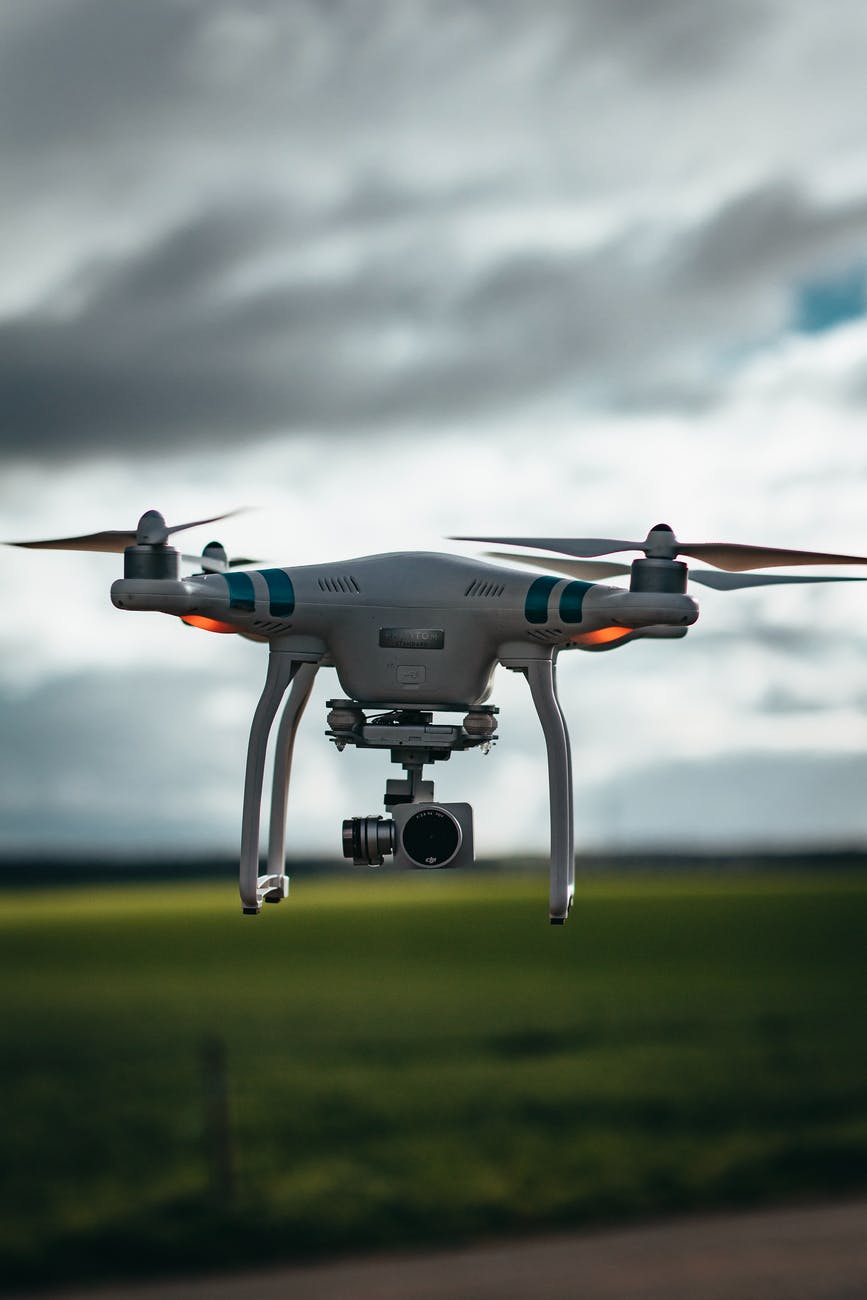
Just 10 years ago, drones were something you saw in the news or in a big-budget action movie. Today, however, they’re the stuff of everyday life—and most adults have probably seen one flying around at some point in the last year. That’s because they’ve become a lot more affordable—and there are now so many different types of drones to choose from that there seems to be one for every interest and budget.
When it comes to drone safety, whether your main concern is keeping your children safe or avoiding costly damage to property, there are a few features you should look out for:
Do-it-all drones
As drones have become more common, and as the technology has improved, people are finding new and exciting ways to use them. Many of these uses have nothing to do with taking pictures.
Drones can be used for surveillance, search and rescue, agriculture and more. They’re also getting smarter about what they’re doing—using artificial intelligence to help make decisions without human intervention is becoming more commonplace in drone design.
But even though we’ve come a long way since the first drone was invented by hobbyist Colin Bodill in 2006 (which he built out of Lego), there are still many challenges ahead when it comes to regulating the use of these flying machines.
Automatic return
You may have heard about one of the most impressive features of drones: automatic return. This means that when your drone loses contact with its controller and is programmed to return to its starting point, it will do so automatically. You don’t have to worry about flying in a line or backtracking. If your drone runs out of battery while on route, it will also return itself safely back home as soon as it lands.
Crash avoidance
Crash avoidance is a safety feature that’s been around for a while and can be found in many drones. This is where the drone senses and avoids obstacles, particularly when it’s flying, landing or taking off. The system uses sensors such as ultrasonic distance finders and cameras to detect objects in its way. In some cases, this technology can also be used to prevent collisions with other drones or even animals on the ground (since they tend not to come equipped with ultrasonic distance finders).
Obstacle sensing and avoidance
One of the biggest reasons that drones are safer to fly today is because they can sense obstacles and avoid them. This is accomplished via sensors and software that help your drone detect its surroundings.
Drones can use a variety of methods to avoid obstacles, including:
- Flying over an obstacle rather than around it or through it (this is called “over-flying”)
- Turning around mid-flight if necessary in order to avoid hitting something head on
- Using special sensors and algorithms to calculate how high or low they need to fly in order to clear an obstacle
These technologies make drones safer to fly than ever before.
These technologies make drones safer to fly than ever before.
- Drones today have built-in technology that stops them from going where you don’t want them to go, or doing what you don’t want them to do. They can tell the difference between an arm or a leg, and will not collide with it—even if you’re trying to crash into something on purpose!
- Drones are much more stable in flight than before; this makes it easier for even new pilots like me to fly without crashing (which is good news).
- Today’s drones don’t just hover; they can move around while staying still by using GPS navigation technology (you’ll learn what this means later). This means that even beginners can get creative and try different camera angles without having any experience flying the drone first—this makes taking selfies easier too! And since these new drones don’t need any kind of special license anymore either…
Conclusion
If you’re looking to buy a drone, don’t just pick the coolest new model. Think about your skill level and what you’ll be using your drone for. If you have no experience piloting or flying RC aircrafts of any kind, then it might be best to start with an easy-to-operate and safer drone. As we mentioned above, most new drones do come with advanced features like obstacle avoidance technology!