
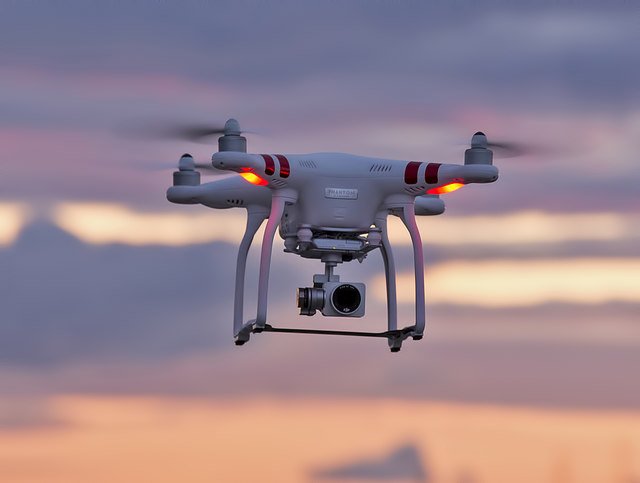
The world of FPV drones is one of fun and excitement, but it’s also one that requires careful handling. The term “FPV” stands for First Person View, which is what you’ll have when flying or racing these specialised drones. Unlike traditional drones that use a screen to control their movement, FPV drones require goggles in order for pilots to navigate them safely through the air as if they were on board themselves!
FPV drones are drones that can be flown or raced via a First Person View monitor or a set of goggles.
FPV drones are drones that can be flown or raced via a First Person View monitor or a set of goggles. You can race them, fly for fun, or do all kinds of other things with FPV drones.
FPV quadcopters are also called FPV quadcopters, FPV quadcopters, and FPV drones.
The live view of the camera is streamed to the monitor or goggles where the pilot or racer can see what’s happening in real time and react accordingly.
The pilot is able to see the live video of the camera on a monitor or goggles, giving them the ability to react accordingly. This real-time stream allows the pilot to see what’s happening in front of the drone and around it, including its entire flight path and surroundings.
While this is all happening, there’s a signal sent back from the drone that can be displayed on another screen. This lets you see exactly where your drone is at all times so you don’t lose sight of it even if you’re watching other things at home like football or Pokémon Go!
These drones are fast, often reaching speeds of over 100 km/h.
The fastest FPV drone is the ZMR 250, which can reach speeds of over 100 km/h.
The fastest FPV drone is the Racer 250, which can reach speeds of over 100 km/h.
The fastest FPV drone is the Crazy Bee 250, which can reach speeds of over 100 km/h.
The fastest FPV drone is the QAV 250, which can reach speeds of over 100 km/h.
They come with a variety of features and sensors to ensure safe flying, although accidents/crashes are common.
It’s important to note that flying a drone is not like playing video games at home. While there are some similarities, it’s not the same thing.
Drones have become increasingly popular over the last few years, but they’re still fairly new to the mainstream public and people are only just starting to learn how to fly them safely.
Because these things can be expensive (and some can cost thousands of dollars), you want to make sure you know how to use yours properly so that you don’t damage it or yourself in any accidents/crashes that may occur along the way.
For this reason, it is recommended that you fly at an open location with little to no obstructions like trees and other people.
To avoid any accidents, you should always fly your drone in an open location with little to no obstructions like trees and other people. It is recommended that you fly at an open location like fields and empty parking lots. If there are no fields or parks nearby, pick a field that is far away from any buildings or power lines. Also make sure not to fly near airports as the control towers will not allow you to do so because they could interfere with their flight paths.
This will allow you to recover from any mistakes without worrying about damaging property or hurting someone else.
This will allow you to recover from any mistakes without worrying about damaging property or hurting someone else.
Flying in an open space is safer because it allows you to recover from a crash, collision, or mistake. You can also practice flying and hone your skills without having to worry about crashing into anything or anyone (if you’re flying safely).
It is recommended that you fly with a friend who can keep an eye out for you and help in case of a crash or incident.
So, you’re ready to take your drone out for a spin. The first thing you need to consider is the location of your flight. You should always fly at an open location where there are no people or vehicles around, as well as staying away from any power lines and tall buildings. If you can find a large field that doesn’t have any trees or obstacles, this will provide the best place for your flights.
Flying with someone else is always recommended as it helps ensure that if something goes wrong during flight (such as a crash), there will be someone there to help get things back under control and keep everyone safe! It also helps if they know what they are doing when it comes down to flying drones themselves. Plus having another pair of eyes can give better perspective on where structures are located nearby which may otherwise be hard too see while sitting inside an enclosed cockpit like most FPV drones require today since they usually don’t have side windows which makes them more prone
FPV drones are specialised racing drones that need careful handling and good flying skills.
FPV drones are specialised racing drones that need careful handling and good flying skills. They’re not for beginners, they’re not toys and they can be very expensive if you don’t know what you’re doing.
They are also not easy to repair if something goes wrong because of the tiny components used in their construction. And don’t even think about flying them in strong winds!
Conclusion
To sum it all up, FPV drones are very unique pieces of technology that have the potential to be a lot of fun for everyone! They’ve become increasingly popular in recent years thanks to their versatility and ability to do so many different things.
To ensure that you’re getting the best experience possible out of your new purchase, always remember these five things before flying your drone:
- Be sure you’re flying at an open location with no obstructions like trees and people
- Never fly into crowded areas or over people’s heads (this is especially important if they’re wearing headphones)
- Fly with someone else who can keep an eye on things for you, just in case anything goes wrong or there’s a crash
- Make sure not to fly too high above ground level as this may result in loss of control over the aircraft.
As long as these rules are followed carefully then there shouldn’t be any problems when using them! Just remember: safety first!