
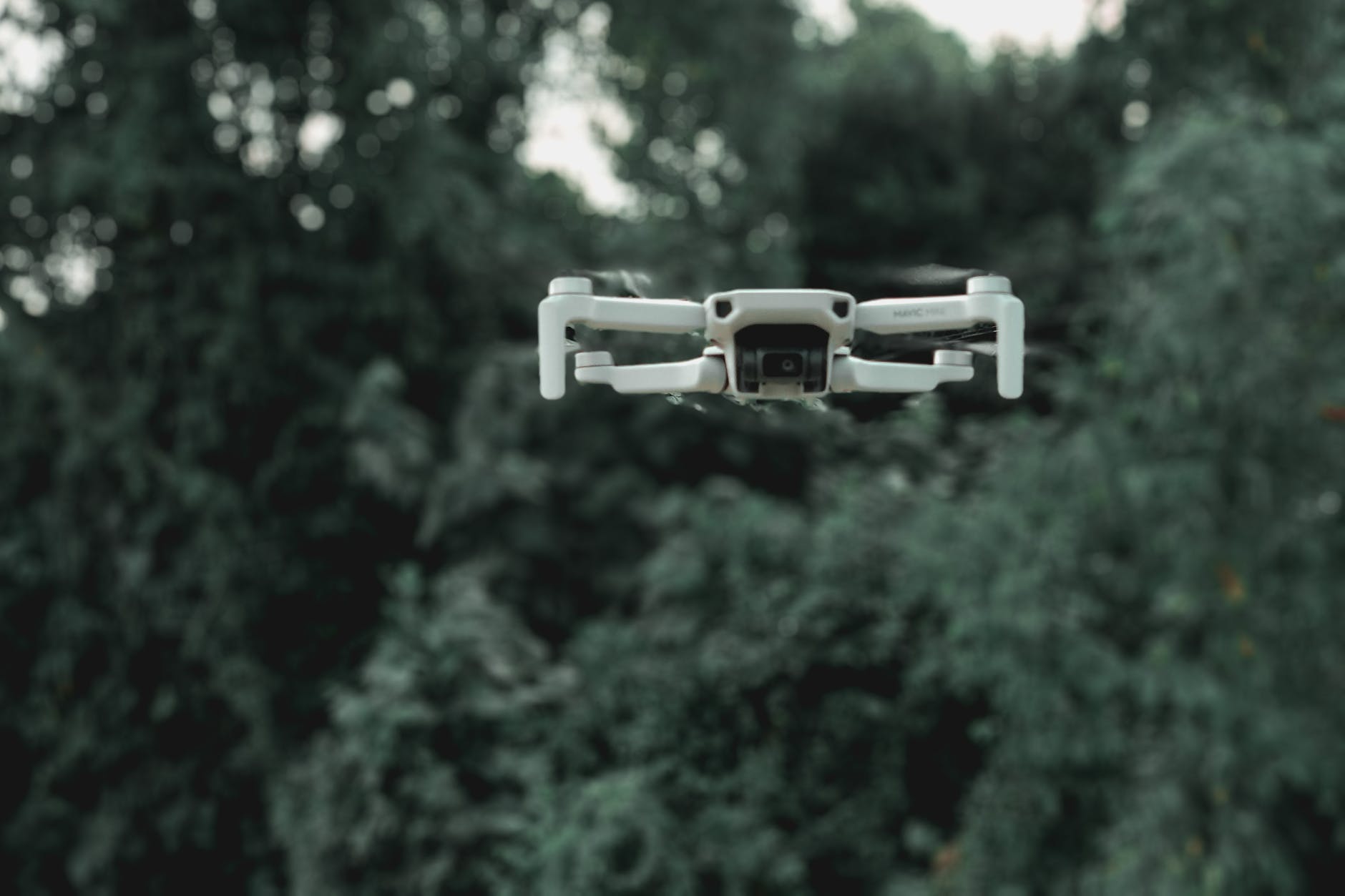
So, you’ve decided to become a drone owner. Good for you. You’re about to become part of a revolution that is changing the way we think about technology and its place in our modern world. Drones have many uses, from military to commercial, and can even be used for recreational purposes. But before you go out and invest in one, it’s important to know how drones work.
Drones are UAVs (Unmanned Aerial Vehicles).
Drones are UAVs (Unmanned Aerial Vehicles). You may also hear these called UASs and RPASs. The term “drone” is typically used to refer to small, remote-controlled aircraft that are used for commercial purposes like aerial photography or videography. However, the term drone has become synonymous with any type of unmanned aircraft, including those controlled by a human operator on the ground. For example, the MQ-1 Predator and Reaper drones used by the US military are often called drones because they can be operated remotely by an operator sitting in a cockpit thousands of miles away from where they’re flying.
The term “UAV” refers generally to any type of unmanned aircraft that is capable of sustained flight through some sort of propulsion system (typically powered by electric motors). There are various types of UAVs: some have fixed wings like a conventional airplane; others resemble helicopters with two rotors that spin continuously while suspended below the fuselage; and still others operate like miniature airplanes without landing gear—these are called VTOLs (vertical take off and landing).
A drone is usually used for flight outside the Earth’s atmosphere.
Drones are used for many purposes. They can fly through the air and shoot missiles, they can help you deliver packages, they can be your best friend! But did you know that drones are also currently being used to explore the depths of space?
Now that we’ve covered how a drone works while flying within Earth’s atmosphere, let’s take a look at how drones operate in outer space. The most common use case for drones outside Earth’s atmosphere is data collection. The International Space Station (ISS) has an extensive array of cameras on board that collect images of the Earth below it and beam them back down to researchers on Earth who analyze them to find patterns or anomalies in weather patterns and other phenomena affecting our planet’s climate. Drones allow scientists access to areas difficult or impossible for astronauts alone—like volcanoes or polar regions—so they can better understand how these natural phenomena affect us here on our home planet!
They use propellers to create lift.
Propellers are the workhorse of any drone, and they come in a variety of shapes and sizes. They’re attached to the body of the drone, and they spin at high speeds to create thrust that lifts the aircraft into flight.
The propellers are powered by electric motors, which provide more power than gas engines can deliver—and they’re quieter than gas-powered ones as well.
Propeller blades give a lot more lift than wings do because they have more surface area relative to their weight; however, they aren’t as efficient at generating thrust due to drag created by air resistance against them when spinning quickly like wings generate lift through vortices (air whirlpools) around them when in motion or flapping up and down quickly like birds’ wings do when flying rapidly through air currents towards their destination
Drones communicate with antennas that allow them to be controlled remotely.
Drones use antennas that can be controlled remotely. Antennas are used to transmit and receive signals, like the ones you see on top of cell phone towers. The drone’s controller has an antenna that receives signals from a transmitter on the drone’s body. The controller also has two more antennas: one for sending commands and another for receiving information back from the drone itself.
The remote controller has three main components: a transmitter that sends signals to its paired receiver (antenna), a display unit (usually LCD or LED), and controls such as joysticks or buttons that allow users to select flight modes, camera settings, etc..
Drones are unstaffed aerial vehicles that have many uses, from military to commercial and recreational purposes.
Drones, also known as unmanned aerial vehicles (UAVs), are aircraft that can fly without a pilot on board. They have many uses from military to commercial and recreational purposes.
These devices are used for surveillance, search and rescue operations, scientific research, mapping and surveying, photography and cinematography.
Conclusion
And there you have it; everything you need to know about drones! I’m sure you’ll never look at them the same way again after learning about how they’re used in war and other situations where manned aircraft can’t get close enough for action.